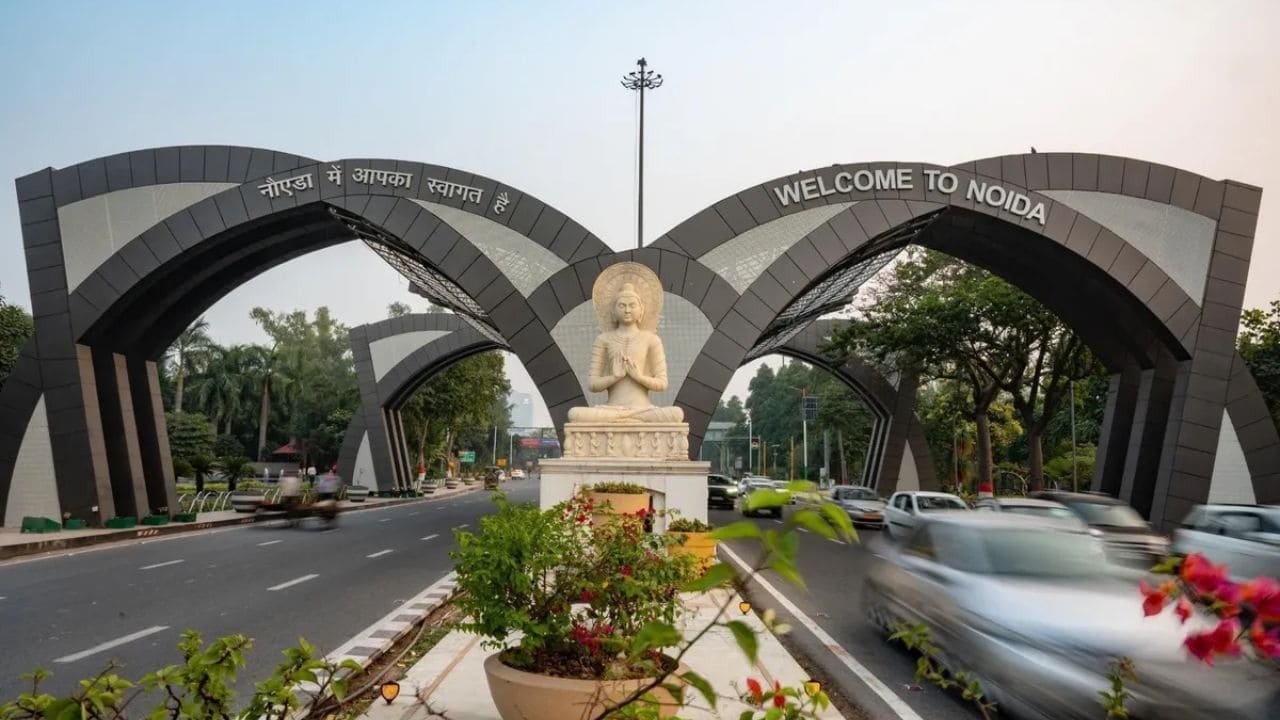
Noida, officially called the New Okhla Industrial Development Authority, is a city in the Gautam Buddha Nagar district of the Indian state of Uttar Pradesh. Noida is considered the educational and software hub of North India. If you visit Noida today, you will find glass towers, buzzing IT parks, and sprawling residential complexes.
But just a few decades ago, this thriving city in Uttar Pradesh was nothing more than a cluster of small villages and fertile farmland along the Yamuna River. Noida has become one of India’s most successful examples of a planned city. The city is managed by the New Okhla Industrial Development Authority (NOIDA).
To understand how Noida gained this stature, it’s important to revisit its fascinating history.
History of Noida
Connection with the Ramayan and Mahabharata
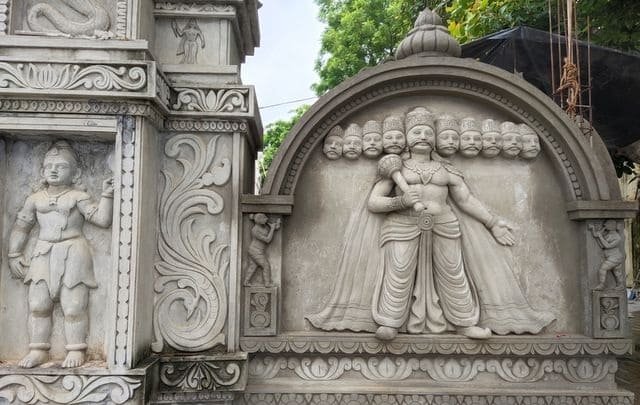
Historians believe that Noida was not just an important center for trade and commerce. They believe that Noida was the birthplace of Ravana’s father, Vishrava, and Saint Visheshwa. The village of Bisrakh in Greater Noida, Uttar Pradesh, is traditionally considered the birthplace of Vishrava. Bisrakh is named after his father.
Dronaharya’s disciple, Eklavya, is also considered to be from this part of the country. It is said that Dronacharya had his ashram located in Noida, which was the training spot for the Pandavas and the Kauravas. During the medieval times, the fertile land of the city was mostly occupied by Gujjars, whose main occupation was agriculture and farming. Even at present, a large part of the Gujjar community hails from different parts of Noida.
Association of the city with freedom fighters
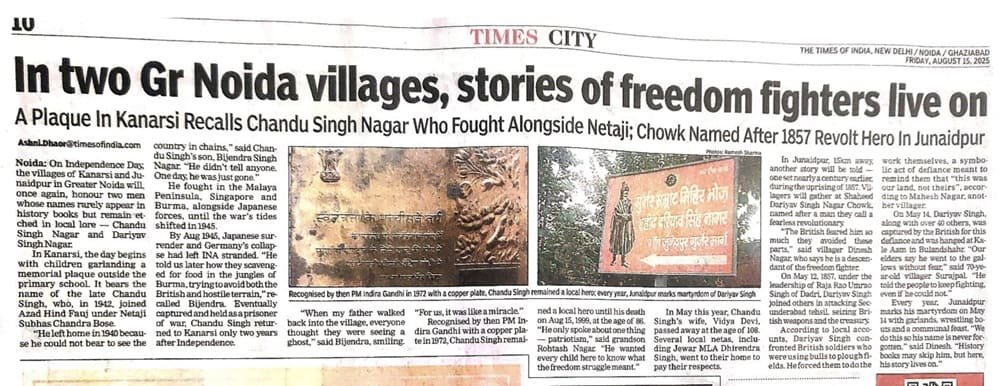
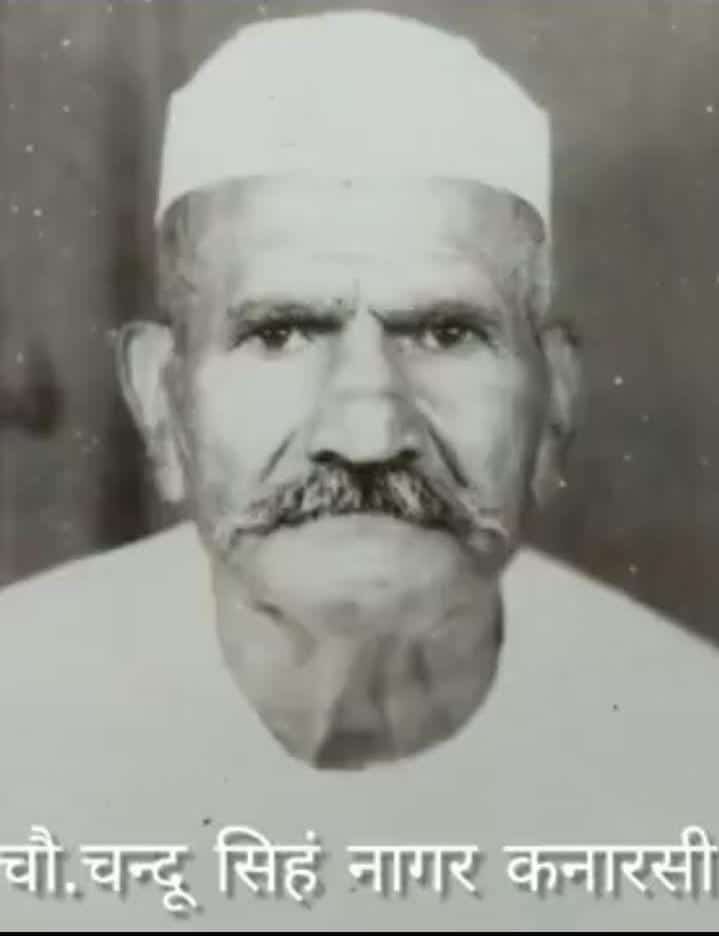
Did you know that the battle of Delhi, during the British rule, was fought on the famous Noida Golf Course, and it is built on this historical site. Not only this, a large number of freedom fighters are associated with Noida. Some of them include Vijay Singh Pathik, Shri Ram Nath, Mihir Bhoj, Shri Gopi Chand, and Ram Chandra Vikal. Historians believe that Bhagat Singh, Rajguru, and Sukh Dev took refuge in a small village called Nalgara, which is currently on the Noida-Greater Noida expressway. From Kanarsi village late Chandu Singh, who, in 1942, joined Azad Hind Fauj under Netaji Subhas Chandra Bose
Before the mid-1970s, the land where Noida stands was largely agricultural. The region was filled with villages where the main occupation was farming. The fertile alluvial soil deposited by the Yamuna contributed to this. However, after independence, Delhi grew rapidly, and the national capital struggled with overpopulation, industrial pollution, and congested neighbourhoods. This led to the idea of developing a planned township near Delhi that could absorb industrial activity and provide modern living spaces.
The Birth of Noida in 1976
Noida was formed on 17 April 1976, when the New Okhla Industrial Development Authority (Noida) was formally established under the Uttar Pradesh Industrial Area Development Act. The government planned it to decongest Delhi and promote economic growth in nearby regions. Noida is an integral part of the rising NCR, and April 17 is celebrated as Noida Day each year.
During the Emergency period (1975–1977), Sanjay Gandhi pushed for urban planning and industrial relocation, and this is when the development of Noida gained momentum. Wide roads, organized sectors, green belts, and industrial hubs were carefully designed to make Noida a city of the future. It started with a structured blueprint, setting it apart from the beginning.
Join us in commemorating Noida’s 49th Foundation Day!
Established on April 17, 1976, Noida has emerged as a hub of development progress and land of opportunities.
Let’s honor the remarkable journey of our beloved city! 🎈✨#NoidaBirthday#49FoundationDay#CityOfOpportunities pic.twitter.com/In5gdsQS6M
— NOIDA Authority (@noida_authority) April 17, 2024
Industrial and Residential Growth: 1980s to 1990s
In the 1980s, industries began moving into Noida in large numbers. The perks were affordable land, better infrastructure, and proximity to Delhi. It made it an appropriate destination for factories and workshops, and residential colonies were also built to house the growing workforce.
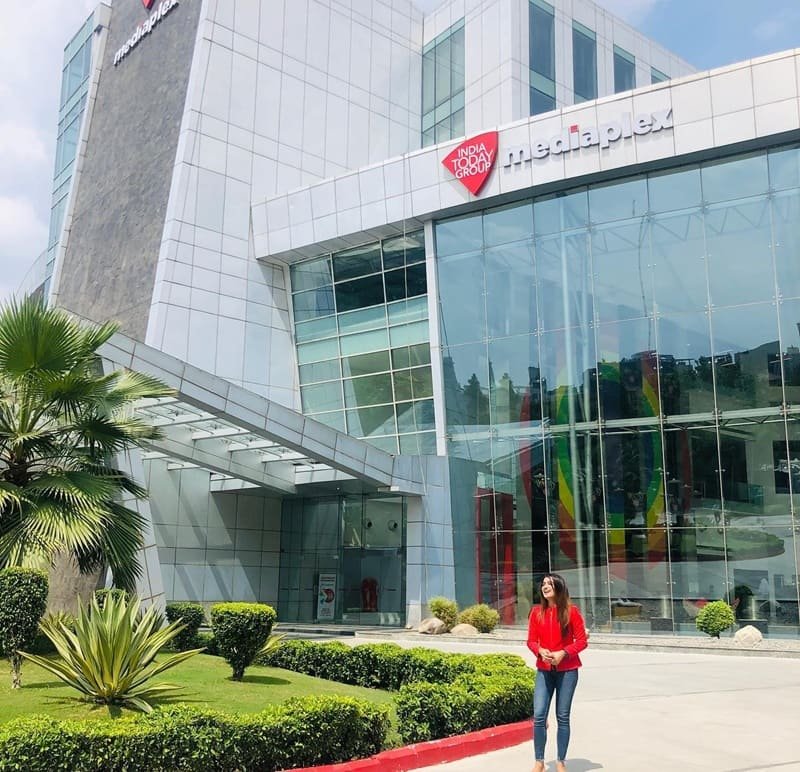
With the economic liberalization reforms introduced in 1991, India welcomed global trade and investment and there was a total transformation in the 1990s. Noida quickly became the key location for multinational corporations, IT firms, and media houses. It was during this time that Noida Film City started, giving the city an important place in the media and entertainment industry.
Noida in the 21st Century
Noida into one of India’s biggest outsourcing and corporate centers after the establishment of IT Parks, Special Economic Zones (SEZs), and multinational offices. Real estate thrived with high-rise apartments, shopping malls, and commercial complexes.
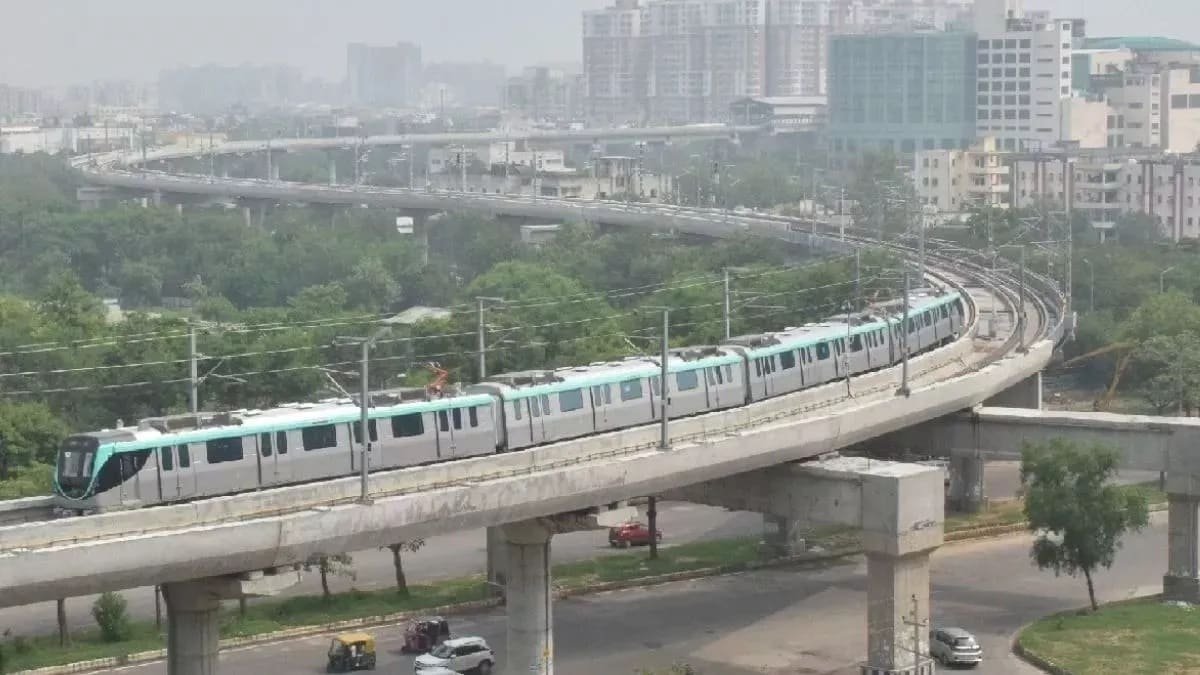
The Delhi Metro extension to Noida and the introduction of the Noida Metro further made it more accessible. The influx of people from across India has given Noida a cosmopolitan identity, where diverse cultures coexist.
Important Historical Events in Noida
- 1976 – Noida was established under the U.P. Industrial Area Development Act (Foundation Day: 17 April).
- 1980s – Industries shifted from Delhi, and the building of residential sectors commenced.
- 1986–1990s – Noida Film City was set up, and after liberalization, IT and media houses arrived.
- 2001 – Greater Noida Expressway inaugurated.
- 2009 – Delhi Metro extended to Noida.
- 2019 – Noida Metro Aqua Line was launched.
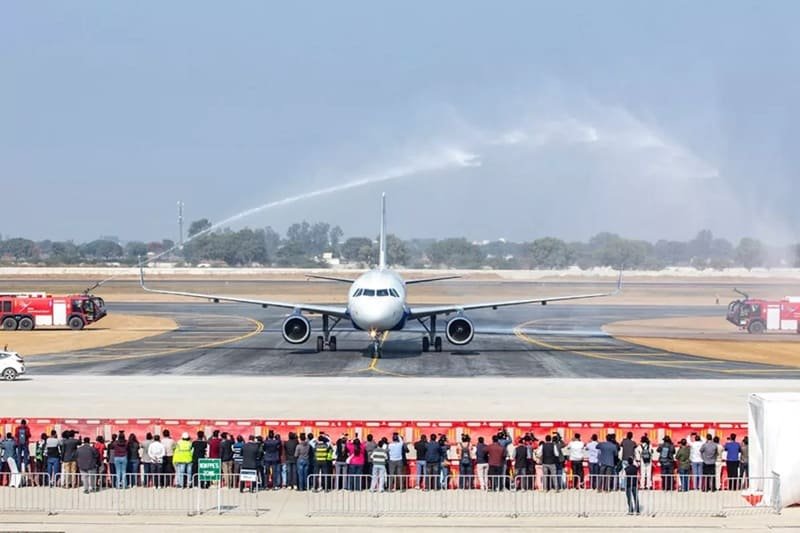
- 2020 – Jewar International Airport project got approved.
Noida city has now come a long way from its humble beginnings as a land of agriculture to become India’s most sought-after industrial, IT, and residential hubs. Noida’s history and current stature represent what vision and planning can achieve. Born in 1976, this city is a symbol of modern urban development.
Did you know about the powerful history of Noida city? Let us know in the comments.